




Geneva Airport is compact, efficient and easy to navigate once you know a few local quirks. The airport sits right on the border with France, which means the building has both a Swiss and a French sector, and choosing the wrong exit can send your driver to the wrong place. This guide walks through the sequence from landing to leaving: sectors, passport and customs, baggage, how to leave by rail or road, and how a chauffeur meeting works, so your first hour in Geneva is calm rather than confusing.
Swiss sector or French sector
Most passengers arrive in the Swiss sector and exit into Switzerland, which is where the main arrivals hall, the railway station and most services are. The French sector exists because of the airport's position on the border: it serves travellers heading directly into France, and it has its own exit on the French side. If you are going to Geneva, Lausanne, Montreux or most Swiss destinations, you want the Swiss side.
If you are travelling to a French Alpine resort such as those in the Haute-Savoie, the French sector may be the better exit. Either way, check your booking and tell anyone meeting you which sector you plan to use. A good chauffeur will confirm this in advance, because the two exits lead to very different places.
There is one more practical point. Rental cars, taxis and trains all depart from the Swiss side, while the French side has limited services geared to French destinations. If you are unsure which sector your flight uses, the airline's arrival information and the airport's own signs will tell you, and the gate or bag belt signage makes the split clear after you land.
Passport control and customs
Switzerland is part of the Schengen area, so the rules you face depend on where you flew in from. Arriving from outside Schengen, you pass through passport control before collecting bags. Arriving from within Schengen, the process is usually lighter. Have your passport ready and any required travel authorisation in order before you leave home, since requirements vary by nationality.
Customs is organised with a red channel and a green channel. If you have goods to declare, or you are unsure whether something exceeds the allowance, use the red channel. Otherwise the green channel is the normal route. Switzerland is not in the European Union customs union, so allowances and rules can differ from what you may expect, and it is sensible to check the official customs guidance if you carry anything unusual.
Families travelling with children should have documents for every traveller to hand, and anyone carrying prescription medicine should keep it in original packaging. Officers are generally courteous and the process is orderly. Queues can lengthen when several long haul flights land together, so avoid scheduling an onward connection or meeting too tightly on the first day.
Baggage and the arrivals hall
Baggage reclaim is clearly signed and the walk from the gate is not long. Carousel information appears on screens as you approach, and trolleys are available near the belts. Once you have your luggage, you pass through customs and into the arrivals hall, which is where meeting points, taxi ranks, car rental desks and information counters are located.
Before you leave the baggage area, look for the machine that issues a free public transport ticket for use around Geneva. It covers a limited time window and is useful if you plan to take a tram or bus into town. It is a small detail many visitors miss, and it is a genuine convenience for light travellers.
If your bags are delayed or damaged, report it to the airline's baggage desk before leaving the reclaim area, as the paperwork is easier to complete on the spot. Keep your boarding pass and tags until the matter is resolved. For oversize items such as skis or golf clubs, there is a separate collection point, so check the screens or ask staff where to find them.
Leaving by rail or by road
The airport railway station is directly connected to the terminal and is one of the quickest ways into the city: the main station at Cornavin is only a few minutes away by train. From there, regional trains continue along Lake Geneva toward Lausanne and beyond, so rail is a sensible choice if you travel light and your hotel is near a station.
By road, the motorway network connects the airport to the city, the lakeshore and the Alpine valleys within minutes. For travellers with several bags, ski equipment, children or a tight schedule, road transfer is usually simpler than changing trains with luggage. Traffic into the city can build at rush hours, so timing matters for onward appointments.
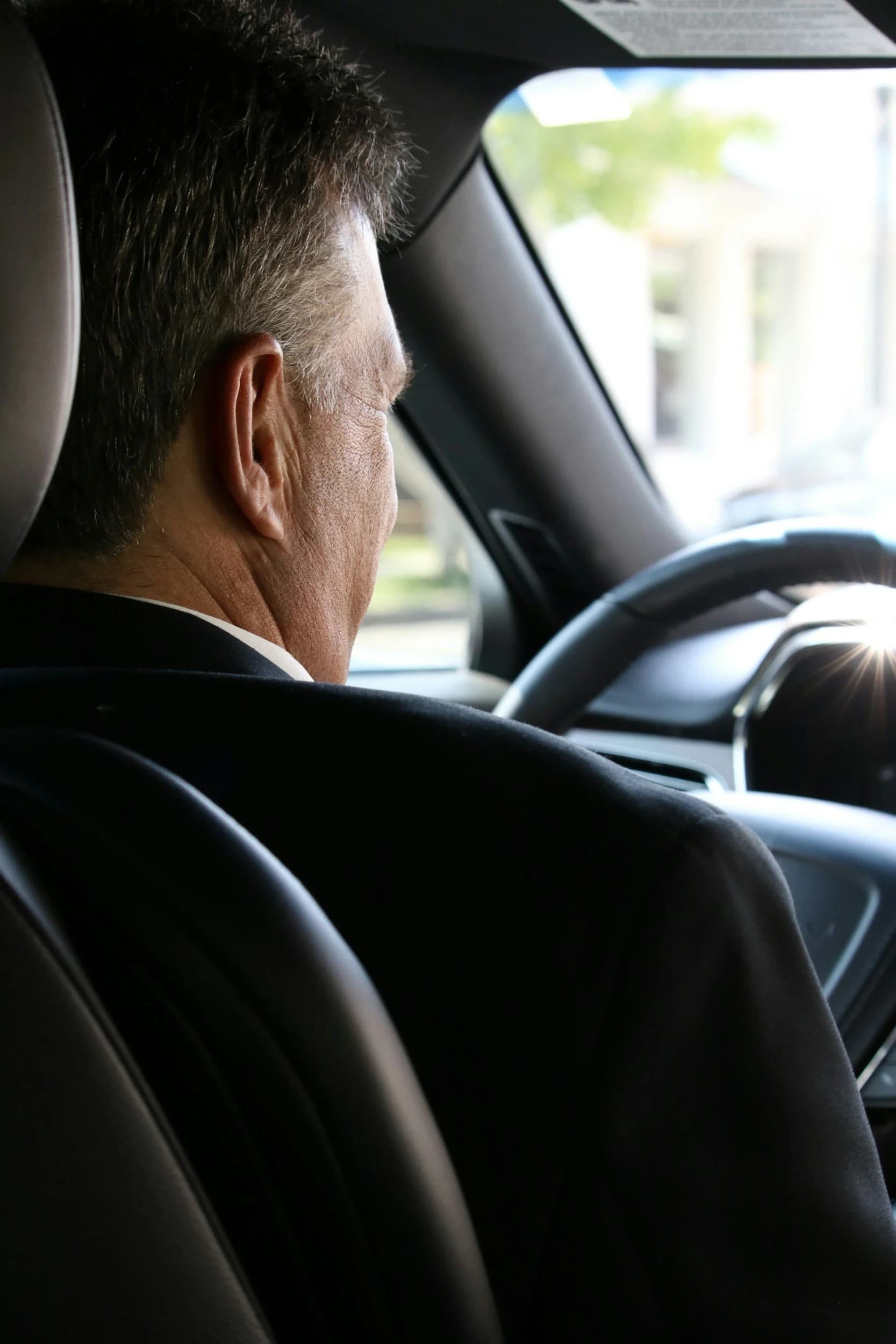
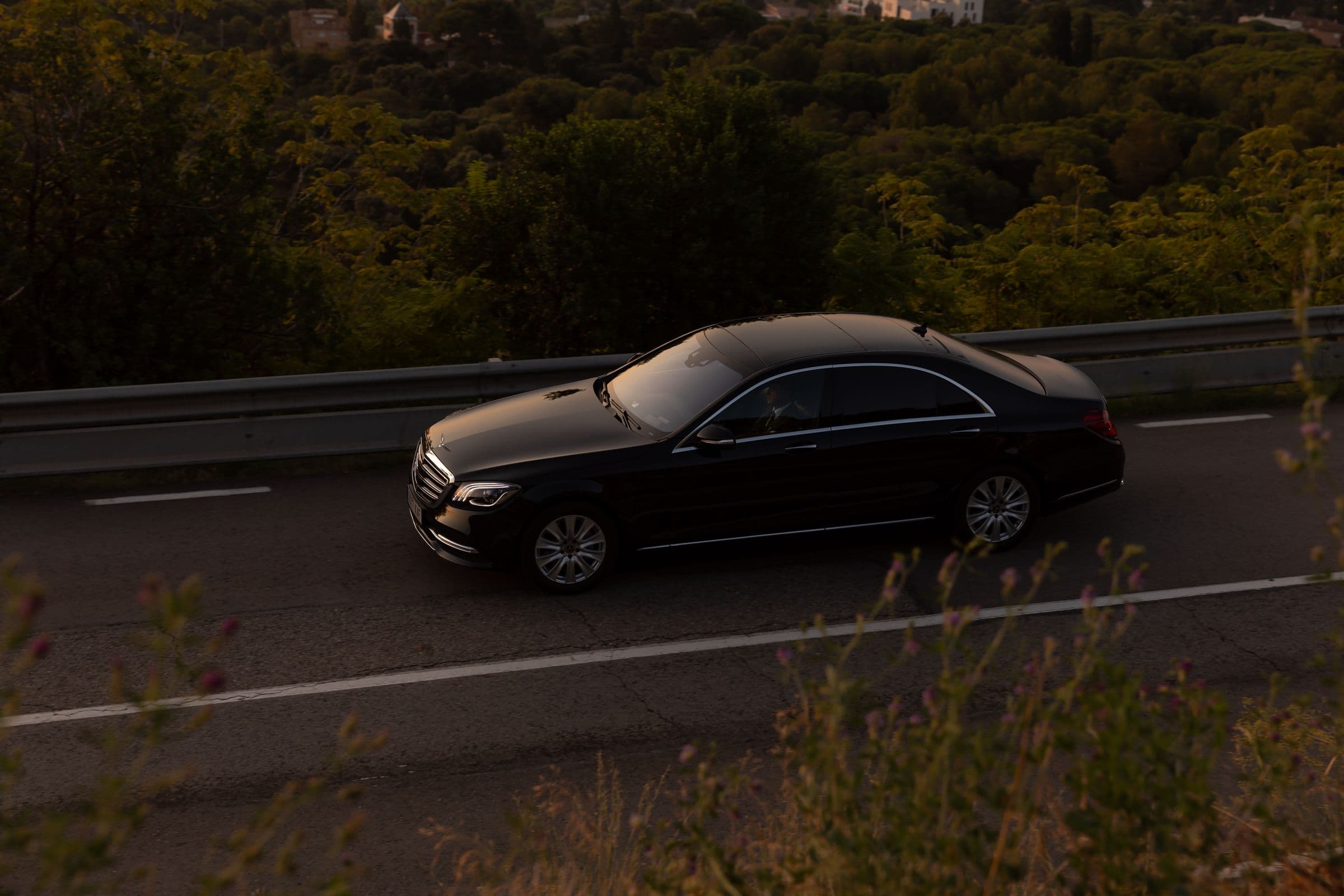
For a chauffeured journey, the pickup is arranged at the arrivals hall and the vehicle waits in a nearby car park. This avoids queuing at the taxi rank after a long flight. Tell your driver if you want to stop for supplies on the way, and mention any child seat needs when you book, since these must be arranged in advance.
Meeting a chauffeur and flight tracking
When you book a private transfer, the chauffeur normally waits in the arrivals hall, often holding a sign with your name, and helps with luggage to the vehicle. Before you land, check that you have the driver's contact details and agree on the meeting point. Mobile signal is reliable, so a quick message on landing is easy if anything is unclear.
A professional service tracks your flight rather than relying on the scheduled time. That means an early arrival, a delay or a gate change does not leave you waiting or paying for a missed pickup window. Share your flight number when you book, mention how much luggage you carry, and tell the driver if anyone needs extra assistance. SPLT can arrange a Geneva Airport pickup built around your flight, so you walk out of arrivals to a driver already expecting you.
Experience it with a private chauffeur
We can take you there in comfort, on your own schedule.